Go directly to main content
Show navigation
Hide navigation
Home
Show navigation
Research
Hide navigation
Research Projects
Universal Matter-Waves
Quantum & Chemistry
Quantum & Biomolecules
Single Molecule Detection
Optomechanics/Cooling
Coherent Scattering of Librations
Sisyphus Cooling
Rotational Opto-Mechanics
Quantum & Classical
People/Jobs
Show navigation
Interns
Job Openings
Awards to Young QNPs
Alumni
Publications
Show navigation
Cover Pages
Selected Publications
Complete Publication List
Book Contributions
Science for All
Show navigation
Videos, Animations, Podcasts
Press releases
Articles for the Public
Quantum Games & Training
Lab Photos
Contact & Partners
Show navigation
Location: Find us!
Jobs: Get involved
Scientific Partners
Partner Organizations
QNP Teaching
Information for ...
Hide navigation
Prospective students
External link
Students
External link
Researchers
External link
Continuing education
External link
Alumni (in German)
External link
Most searched-for services ...
Hide navigation
Studying at the University of Vienna
External link
u:find Course / Staff search
External link
Webmail
External link
Intranet for employees
External link
u:space
External link
Library
External link
Moodle (e-learning)
External link
u:rise - Professional & Career Development
External link
Faculties & centres
External link
Contact & services from A to Z
External link
Show search form
Hide search form
Quick links
Websites
Staff search
Search
Home
Research
People/Jobs
Publications
Science for All
Contact & Partners
Quantum Nanophysics Group
Search
Websites
Staff search
Start search
Quick links
Information for ...
Prospective students
External link
Students
External link
Researchers
External link
Continuing education
External link
Alumni (in German)
External link
Most searched-for services ...
Studying at the University of Vienna
External link
u:find Course / Staff search
External link
Webmail
External link
Intranet for employees
External link
u:space
External link
Library
External link
Moodle (e-learning)
External link
u:rise - Professional & Career Development
External link
Faculties & centres
External link
Contact & services from A to Z
External link
Quantum Nanophysics Group
Home
Research
People/Jobs
Publications
Science for All
Contact & Partners
You are here:
University of Vienna
Quantum Nanophysics Group
Research
Optomechanics/Cooling
Coherent Scattering
Sispyhus Cavity Cooling
Nanorotor clock
Research
Research Projects
Universal Matter-Waves
Quantum & Chemistry
Quantum & Biomolecules
Single Molecule Detection
Optomechanics/Cooling
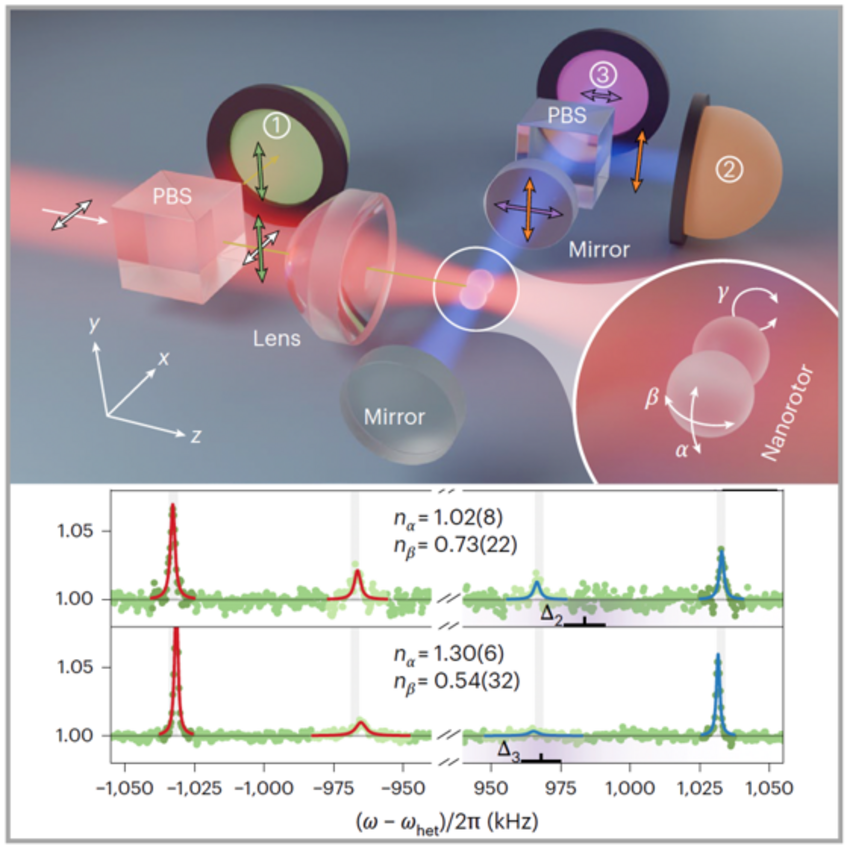
Coherent Scattering of Librations
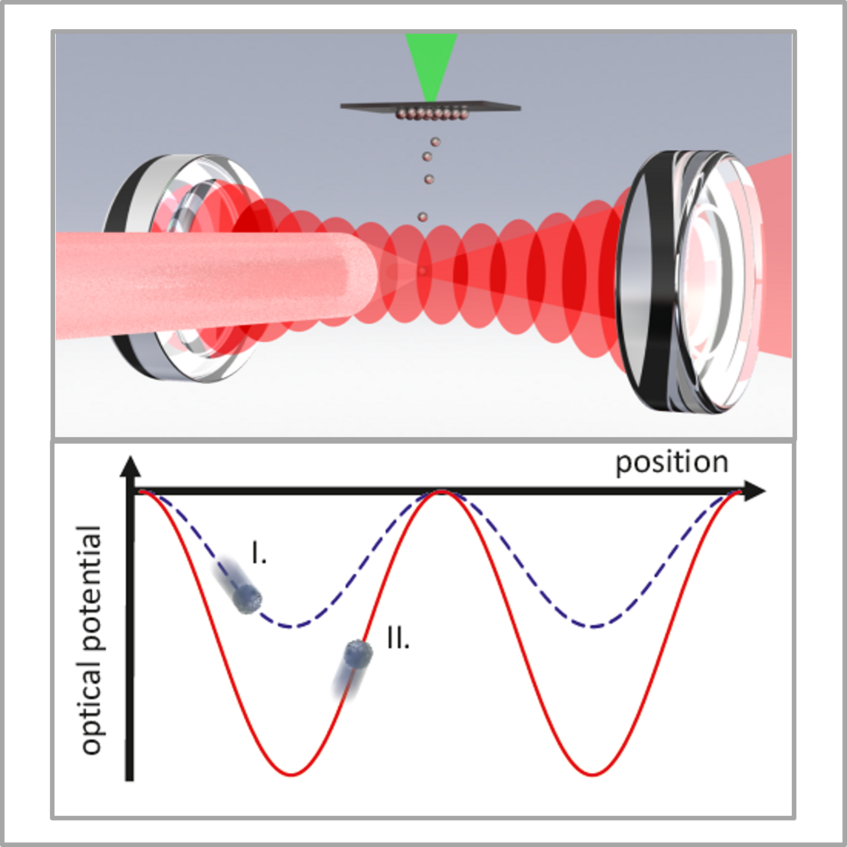
Sisyphus Cooling
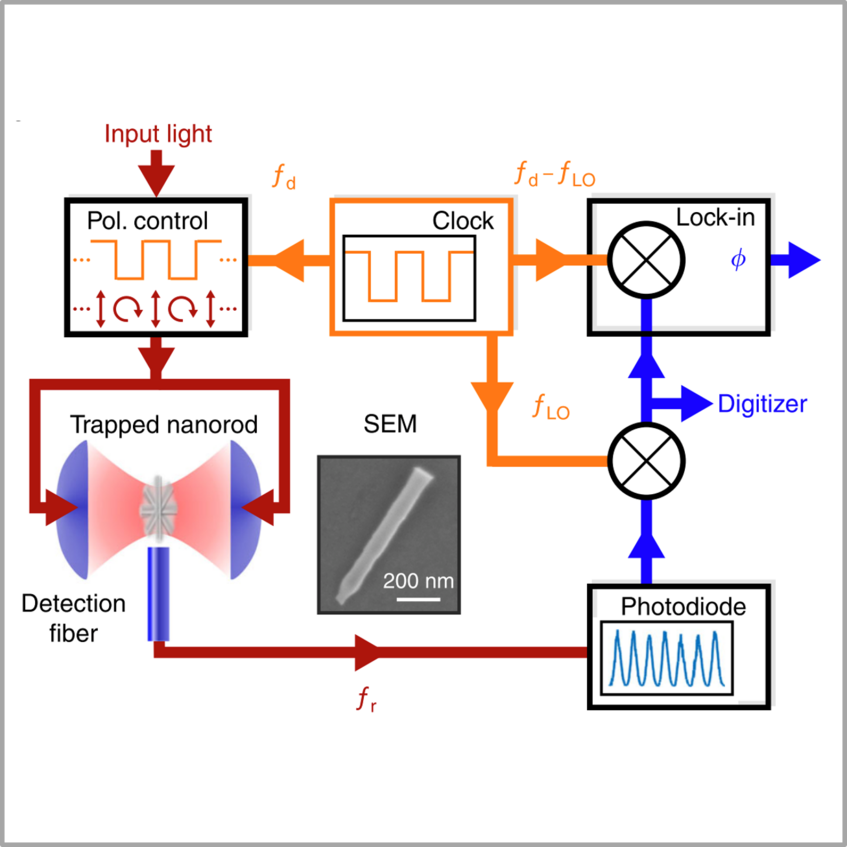
Rotational Opto-Mechanics
Quantum & Classical